
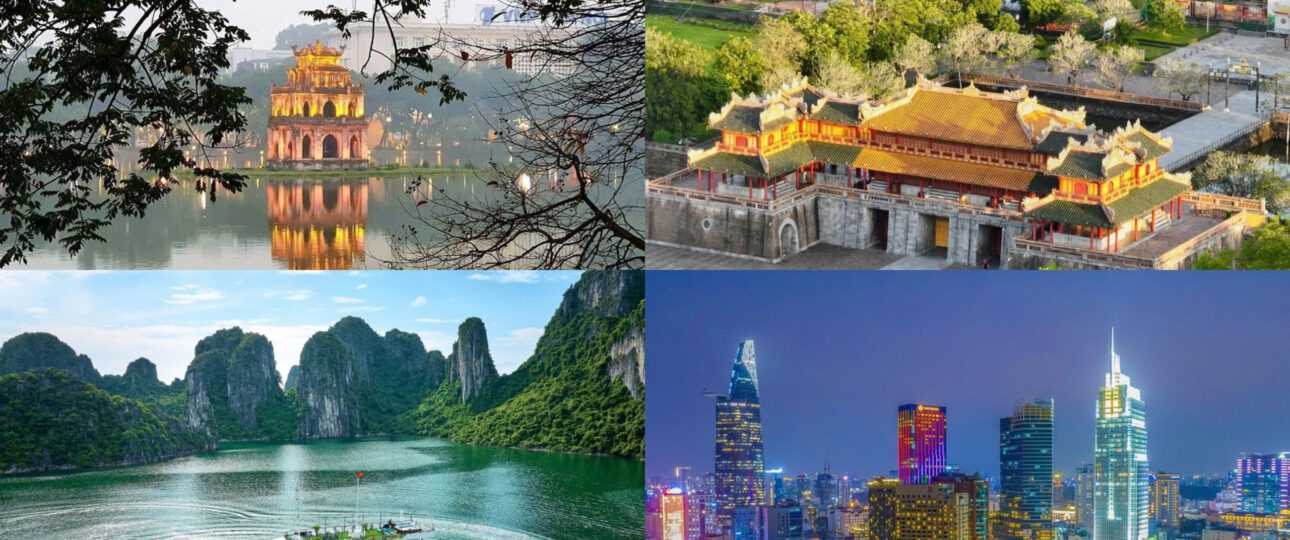
1. Overview
Vietnam in 2026 will not only be a heritage destination but will have become a “symphony” of extremes: from the tranquility of misty villages in the North to the vibrant urban life of Saigon. Building a well-planned Vietnam tour itinerary is not simply about choosing destinations but about the art of arranging things so that the traveler’s emotions are elevated each day.
A smart itinerary will help you avoid fatigue from excessive travel and ensure a perfect balance between the following: Cultural exploration – Enjoying nature – Savoring cuisine – Rejuvenating relaxation.
2. The Art of Building the Perfect Vietnam Itinerary Tour
2.1 Defining Your Personal Travel Style
Luxury & Wellness: Do you want secluded resorts, spa treatments, and helicopter tours of the bay?
Adventure Seekers: Do you crave challenging mountain passes, exploring deep underground caves, or spending nights in remote villages?
Cultural Explorers: Do you love venturing into museums, taking cooking classes, and learning about history through ancient bricks?
Family & Multi-generation: Do you need a slower pace, educational activities for young children, and comfort for seniors?
2.2. The “Golden Rule” of Time and Distance
Prioritize air travel for long journeys: To save time, domestic flights are the number one choice. In 2026, airlines increased flight frequencies, making connections between major cities extremely convenient.
Short train journeys: The heritage train from Hue to Da Nang via Hai Van Pass is an unmissable experience. It’s not just a means of transportation but a vibrant “nature cinema.”
Buffer days: After every 3-4 days of continuous travel, dedicate one day to completely unscheduled activities. This is your time to rest, do laundry, and recharge for the next leg of your Vietnam tour itinerary journey.

The Hue – Da Nang tourist train: “Connecting the heritage of Central Vietnam, connecting the most beautiful route in Vietnam.” (Image source: internet)
2.3 Budget and Personalization
Vietnam is a paradise for all budgets. With a budget of 500 USD/day, you can enjoy a luxurious lifestyle, while a budget of just 30 USD/day allows you to experience life as a true “backpacker“.
However, the best advice is to invest in unique experiences. Instead of staying in 5-star hotels in every city, try a night in a homestay in a village to see the difference, and use the money saved to book a fine-dining dinner on a cruise in Ha Long Bay.
3. Iconic Destinations for Vietnam itinerary tour
3.1 Northern Vietnam: The Cradle of Culture and the Magnificence of Nature
Hanoi: The thousand-year-old capital with 36 streets. Don’t just go to see the water puppet show; try an early morning walking tour to see locals exercising by Hoan Kiem Lake, then enjoy egg coffee at the famous Giang cafe.
Sapa & Mu Cang Chai: A paradise of terraced rice fields. The most worthwhile experience in 2026 for the Vietnam tour itinerary is trekking into deeper villages like Ta Van or Ban Lim Mong, places that are still largely untouched by tourism.
Ha Giang: The Ma Pi Leng Pass and the emerald green Nho Que River. This is a place for adventurous souls with the “Ha Giang Loop” by motorbike.
Ha Long Bay & Lan Ha Bay: Instead of the already crowded Ha Long Bay, Lan Ha Bay (Cat Ba) offers more privacy with its magical limestone mountains and pristine small beaches.
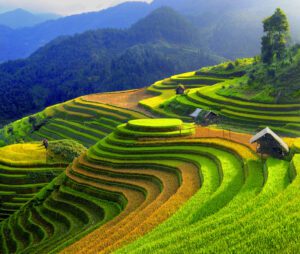
Mu Cang Chai – a masterpiece amidst the majestic nature of Northwest Vietnam – is a destination you cannot miss on your Vietnam itinerary tour. (Image source: internet)
3.2 Central Vietnam: Heritage Strip and Paradise Beaches
Hue: The peaceful ancient capital with the Imperial Citadel and majestic tombs. Experience a dragon boat ride on the Perfume River and listen to Hue folk songs on moonlit nights – one of the most interesting activities for the Vietnam tour itinerary.
Da Nang: Besides Ba Na Hills and the Golden Bridge, spend time exploring Son Tra Peninsula to see the rare brown-footed langurs.
Hoi An: Vietnam’s most romantic destination. Try making your own lantern or have a suit/dress custom-made at famous tailor shops. Don’t forget to spend an afternoon in the Bay Mau coconut forest to experience a basket boat ride.
Quy Nhon & Phu Yen: The new “muses” of Central Vietnam tourism with beaches like Ky Co and Eo Gió and unique limestone cliffs.
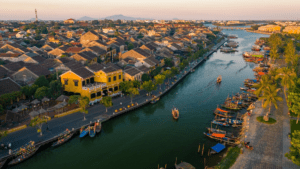
A panoramic view of the ancient town of Hoi An along the romantic Hoai River, featuring old houses with yellow walls, moss-covered tiled roofs, and small wooden boats moored along the riverbank. (Image source: internet)
3.3 Southern Vietnam: Dynamic Energy and the Breath of the River
Ho Chi Minh City: A vibrant financial center that still preserves old French architectural works such as Notre Dame Cathedral and the City Post Office. Experiencing street food on a Vespa at night is the best way to truly feel Saigon.
Mekong Delta: Head to Can Tho to visit Cai Rang floating market from 5 am, then visit the fruit orchards in My Tho or Ben Tre.
Phu Quoc Island: A paradise for relaxation in Vietnam tour itinerary with pristine white sand beaches. By 2026, Phu Quoc will have completed world-class entertainment complexes and the world’s longest over-sea cable car system.

Phu Quoc boasts stunning, unspoiled islands that you absolutely must visit at least once during your Vietnam tour itinerary. (Image source: internet)
4. Suggested Vietnam Tour Itinerary by Trip Duration
4.1. 5-Day Itinerary: Vietnam Quick Escape (Focus on one region)
Option 1 (Northern Vietnam): Hanoi (2 days) – Ha Long Bay (2 days, 1 night on a cruise) – Ninh Binh (1 day sightseeing in Trang An). This is a classic Vietnam tour itinerary that never goes out of style for first-time visitors.
Option 2 (Central Vietnam): Da Nang (1 day) – Hoi An (2 days) – Hue (2 days). This route is very short; you can travel by private car, saving maximum time to enjoy the heritage sites.
Estimated cost (5 days/person)
- Budget: 350 USD – 500 USD (Homestay, street food, sleeper bus).
- Standard: 700 USD – 1,000 USD (3-4 star hotel, high-quality group tour, private car for short distances).
- Luxury: 1,500 USD – 2,500 USD (5-star secluded resort, top-of-the-line cruise ship, private guide)

The Trang An Scenic Landscape Complex (Ninh Binh) is the only dual World Heritage site in Vietnam recognized by UNESCO and is a leading natural and cultural destination in Northern Vietnam. (Image source: internet)
4.2. 7-10 Day Itinerary: Vietnam Classic Discovery (Typical Destinations)
Days 1-3 (Hanoi & Ha Long): Explore the capital and spend the night on the bay.
Days 4-7 (Hoi An & Da Nang): Fly to Da Nang, spend time relaxing in Hoi. Visit an ancient town, take a cooking class, and stroll along My Khe Beach.
Days 8-10 (Ho Chi Minh City & Mekong Delta): Fly to Saigon, spend one day visiting the Cu Chi Tunnels, and explore the Mekong Delta before ending the Vietnam tour itinerary.
Estimated costs (10 days/person):
- Budget: 800 USD – 1,100 USD (Requires good budget management skills and use of budget airlines).
- Standard: 1,500 USD – 2,200 USD (Includes 2-3 domestic flights, mid-range hotels, and diverse meals).
- Luxury: 3,500 USD – 5,500 USD (domestic business class flights, stays at heritage resorts, helicopter or seaplane experiences).

For a fantastic Vietnam Tour Itinerary, consider taking a cooking class in Hoi An. (Image source: internet)
4.3. Journeys of 14 days or more: Ultimate Vietnam Experience
Week 1: Starting your Vietnam tour itinerary from the northern mountainous region (Ha Giang or Sapa), then returning to Hanoi and Ha Long Bay.
Week 2: Gradually moving into Central Vietnam (Hue – Hoi An – Quy Nhon), spending 2 days relaxing by the sea, and ending in Southern Vietnam (Ho Chi Minh City and Phu Quoc). This itinerary offers a perfect balance between physical activity and pure relaxation.
Estimated cost (14 days/person)
- Budget: 1,300 USD – 1,800 USD (utilizing overnight trains and intercity buses).
- Standard: 2,800 USD – 4,000 USD (Experience the best services of a budget travel package)
- Luxury: 7,000 USD – 12,000 USD (Completely tailored itinerary, stays at ultra-luxury resort chains such as Amanoi, Six Senses, and Capella).
5. Weather Guide for Vietnam Tour Itinerary
5.1. Northern Vietnam: Four Distinct Seasons
September – November (Autumn): This is the golden time. Clear skies and cool air, especially the golden rice fields in Sapa and Mu Cang Chai during harvest season.
December – February (Winter): Can be very cold, especially in mountainous areas where snow may fall. Hanoi often experiences drizzle.
March – May (Spring): Time of festivals and budding trees, but humidity is usually very high.

Admire the wild cherry blossoms (Tớ Dày) from December to February each year and enjoy every relaxing moment at Garrya Mu Cang Chai (Lao Cai). (Image source: internet)
5.2. Central Vietnam: Dry Season and Rainy Season
January – August: Excellent weather for beach tourism. Bright sunshine and dry conditions.
September – December: Rainy and stormy season. Hoi An often experiences flooding (this is also a unique experience if you enjoy boating in the old town, but it is not suitable for a beach vacation).
5.3. Southern Vietnam: Two seasons – rainy and dry
November – April (Dry season): Beautiful sunny weather and low humidity are extremely ideal for outdoor activities in Ho Chi Minh City and the Mekong Delta.
May – October (Rainy season): Often, there are quick and heavy afternoon showers. However, this is also the season when fruits ripen in the Mekong Delta.
6. Travel guide for your Vietnam tour itinerary
6.1. Classic mistakes to avoid
Greed to see too many destinations: Don’t try to cram 10 cities into 10 days. You’ll spend all your time on buses and planes instead of actually enjoying yourself. The best rule is a minimum of 2 nights for each major stop.
Don’t forget to check holiday schedules before your Vietnam tour itinerary: Holidays like Lunar New Year or April 30th – May 1st in Vietnam often see a surge in domestic tourists. Service prices increase, and destinations become extremely crowded. If you don’t like excessive crowds, avoid these times.
Don’t underestimate the weather: Don’t just bring swimwear when traveling across Vietnam in winter. You’ll need a warm puffer jacket in Hanoi and light clothing for Saigon.
6.2. Tips for a smoother journey
4G SIM and transportation apps: As soon as you land, buy a 4G SIM. Download the Grab app to book motorbikes and taxis. It’s transparent in pricing and extremely fast.
Pack light: If you’re traveling a lot by domestic flights, be aware of the checked baggage allowance. Clothes in Vietnam are very cheap, and laundry services are available everywhere, so don’t bring too much.
Respect for Local Culture: When visiting temples, dress modestly, covering your knees and shoulders. When entering private homes, remember to remove your shoes at the door. Vietnamese people highly value these small acts of respect.
A well-designed Vietnam tour itinerary will help travelers fully appreciate the diverse beauty of Vietnam, from ancient cultural heritage sites and breathtaking natural landscapes to the vibrant local life. With experience in organizing high-end and personalized itineraries, Asia Luxury Travel offers sophisticated, flexible trips tailored to individual travel styles. Contact Asia Luxury Travel today to begin your memorable and unique journey exploring Vietnam in your own way.